Before you build your fitness routine, it’s important to understand the key components that make up a balanced fitness plan, and why each one matters. The 4 foundational components of a fitness plan are:
- Strength Training
- Cardio
- Mobility
- Nutrition
Let’s break each one down
Strength Training
Strength training is arguably the most complex part of a fitness routine, but also one of the most important, especially if your goal is to build muscle, get stronger and/or improve your physique.
Strength training includes any movement that puts your muscles under tension. This can include:
- Free weights
- Machines
- Resistance bands
- Bodyweight exercises
- Any combination of the above
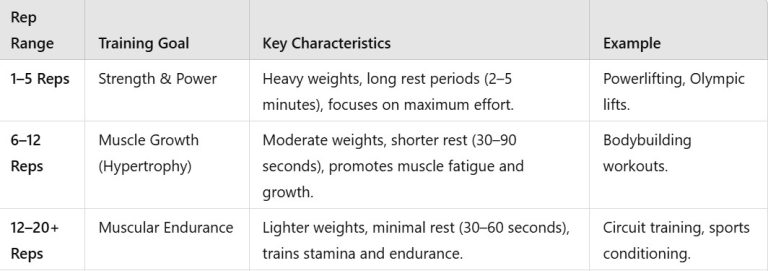
Your results depend on how you train, things like sets, reps, rest periods, and intensity all play a role. And don’t worry, you’re not going to accidentally turn into a bodybuilder just because you lift weights. That kind of physique takes a very specific training plan, diet, and years of consistent effort. Strength training is best known for building muscle and increasing strength, but it also improves mobility, joint stability, and metabolic health.
I believe everyone should incorporate strength training into their routine, but if your goal is muscle growth or strength building, it’s absolutely non-negotiable. Cardio and diet will help you lose fat, but only strength training builds muscle and strength.
Cardio
Let’s be honest, most people don’t love cardio, myself included. That’s why I don’t force myself to stick to a rigid cardio schedule. Instead, I define cardio as any activity that gets your heart rate up and keeps you moving. It doesn’t have to be boring or repetitive, it can take a lot of different forms:
- Sports: pickup soccer, basketball league
- Recreational movement: dancing, rock climbing, hiking
- Traditional/Dedicated cardio: running, treadmill, cycling
If I program 3 days of cardio, any of those activities count. I’ve found that people are much more likely to stick to cardio when it’s something fun or social. You’re far more likely to show up for a pickup soccer game with friends than to grind it out alone on a treadmill.
Unless you’re training for a specific endurance event like a triathlon, this flexible approach works great. Everyday people, and even bodybuilders, use cardio to improve heart health and burn extra calories. It’s not about becoming a better runner or cyclist, it’s about moving more in a way that keeps you consistent.
Mobility
Mobility is the most overlooked part of most routines, but it’s still essential. Thankfully, if you’re lifting with a full range of motion and good form, you’re already getting the majority of mobility work done.
That said, focused mobility work has three main purposes:
- Increasing range of motion (ROM)
- Warming up
- Cooling down
For now, let’s keep it simple and just focus on stretching, since that’s what most people associate with mobility.
There are two main types:
- Static Stretching – Holding a stretch for a period of time, usually 30-60 seconds (touching your toes and holding it for 30 seconds)
- Dynamic Stretching – Moving through a range of motion repeatedly (leg swings, arm circles)
General rule of thumb:
- Use dynamic stretching to warm up
- Use static stretching to cool down
Static stretching can also help increase range of motion when done consistently. I recommend holding a stretch for the target muscle group for 2 sets of 30–60 seconds, about 5–7 days a week, if improving mobility is your goal
I’ll cover more on foam rolling, mobility drills, and other recovery tools in a separate post.
Nutrition
While nutrition is the most difficult part for people to stick to, it’s actually pretty simple once you understand the basics. There’s a lot of noise out there, and plenty of diets “work,” but usually not for the reasons people say they do.
For a deeper dive, check out my video “Fitness Nutrition Basics,” but here’s a quick breakdown:
- Calories – Determine whether you gain or lose body fat
- Macronutrients – Affects performance, muscle growth, and energy production
- Protein: Supports muscle growth and recovery
- Fat: Supports hormone health, skin, hair, nails and the absorption of fat-soluble vitamins
- Carbs: Fuel your workouts by replenishing glycogen stores, to be used as energy. Don’t fear carbs, they’re your friend.
- Fiber (a type of carb) – Supports digestion and helps you feel fuller longer
- Micronutrients – Important for overall health, deficiencies can impact energy and health. Best obtained by eating a variety of color, whole foods
- Antioxidants – Help fight free radicals and reduce inflammation. Different from micronutrients, but also best obtained by eating a variety of color, whole foods
Pro tip: Cooking more meals at home gives you better control over your intake. Restaurant meals are often loaded with hidden fats, salt, and extra calories.
Why most diets “work”
Keto. Intermittent fasting. Carnivore. Paleo. Vegan. Whatever the trend is, most diets appear to work because when people start them, they:
- Start paying attention to what they eat
- Reduce processed foods
- Lower overall calorie intake (whether they realize it or not)
That’s it. It’s not some magic food list or special eating window. It’s just consistent, mindful eating. When you reduce junk and start eating more whole, nutrient-dense foods, you naturally feel better. Less inflammation, more energy, better digestion. You don’t need an extreme diet to get there, you just need a sustainable, smart approach.
Conclusion
A solid fitness plan doesn’t have to be complicated, in fact simple is usually better. By understanding the purpose behind each of these four components, strength training, cardio, mobility, and nutrition, you can build a routine that actually fits your goals and lifestyle.
You don’t need to be perfect. You don’t need to train like a pro athlete. You just need to show up consistently and make choices that move you in the right direction.
Focus on building strength, moving more, taking care of your body, and fueling it well, the results will follow. Start simple, stay consistent, and adjust as you grow. This isn’t about chasing quick fixes, it’s about building a lifestyle you can sustain. Now go get your ass in the gym!