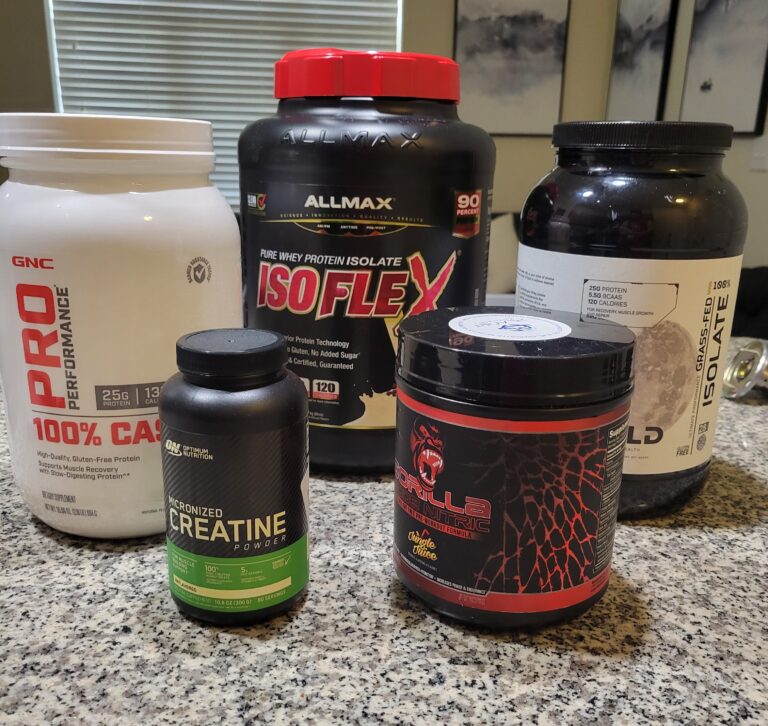
Whenever I’m asked about supplements, I always emphasize one key point: unless you’re deficient in a specific vitamin or your doctor has advised supplementation, the only one I generally recommend is creatine. The supplement industry is rife with products boasting miraculous benefits, but if these claims were true, such products would likely be banned as performance enhancers. Just look at substances like SARMS and steroids, they’re very effective at improving performance but are prohibited precisely for that reason.
That over-the-counter testosterone booster? It’s still on the shelves for a reason, it simply doesn’t deliver the results it promises. If it did, it would be categorized alongside banned substances like testosterone.
Creatine, however, stands out. It’s a rare example of a performance enhancer that’s not only safe and affordable but also simple to use. The primary concern with creatine is the potential for digestive issues, which typically occur at higher doses and subside once supplementation stops. Let’s dive into why creatine I believe creatine stands out from the rest.
What is creatine
Creatine is a naturally occurring compound found primarily in meat. In our bodies, it’s utilized as phosphocreatine during high-intensity activities such as sprinting and weightlifting. Although we require 5-10g daily to achieve muscle saturation, most people only consume about 1-2g through their diet.
Different forms of creatine
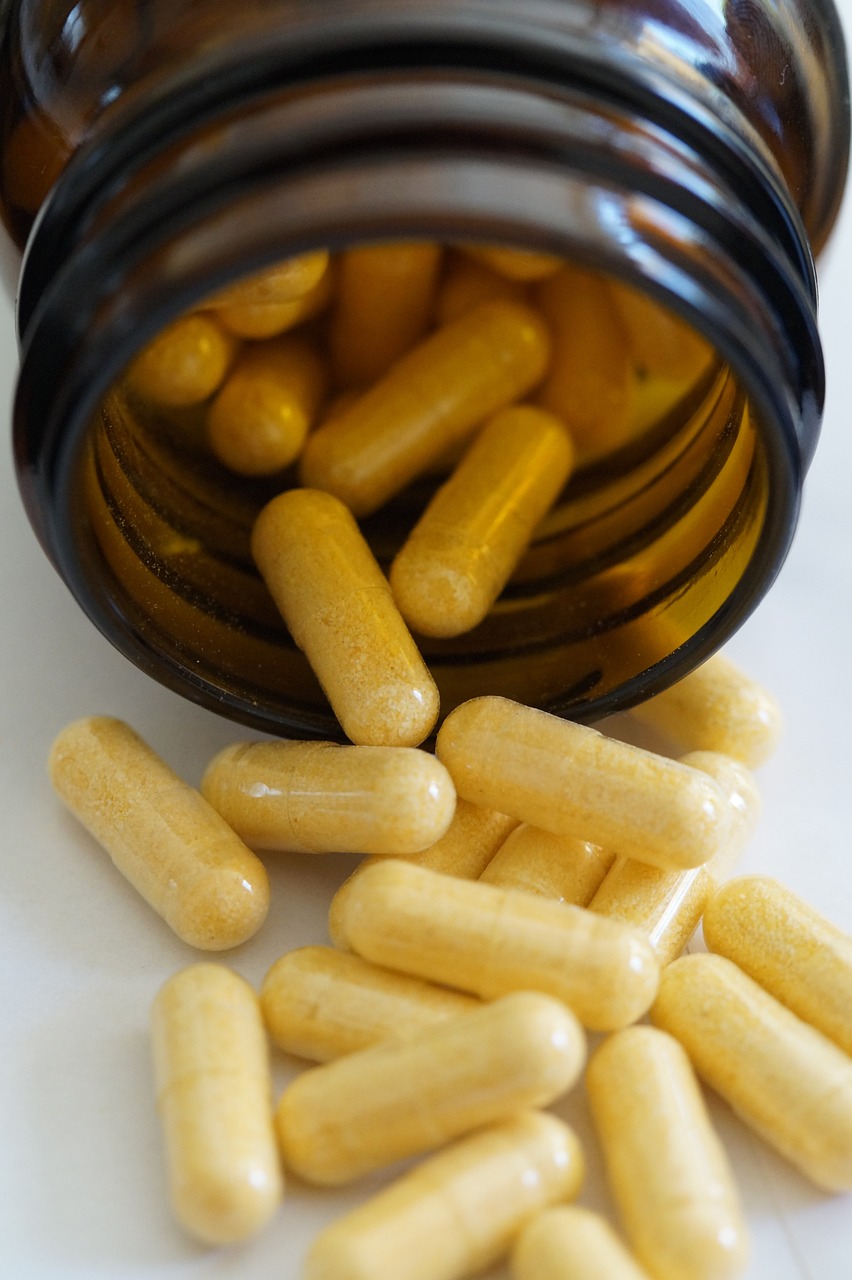
Creatine is available in various forms, but I recommend either creatine monohydrate or creatine HCL. Creatine monohydrate is the most economical and widely accessible option. For ease, I prefer taking it in capsule form rather than mixing it with water. On the other hand, creatine HCL, which is bonded to a hydrochloride(HCL) molecule, dissolves more easily in water and may be gentler on the stomach. However, be aware that it has a strong, sour taste that can be quite unpleasant. If you experience stomach issues with monohydrate, consider trying HCL as an alternative.
The effects of creatine
The benefits of creatine become apparent over the course of the saturation period, typically less than a month. Creatine is known to enhance strength, shorten recovery times, and increase muscle volume. While the changes are modest, they are distinct, unless you happen to be a non-responder. The increase in muscle size is largely due to water retention within the muscle cells themselves. Since the water is retained inside of the cell, this does not cause bloating and instead contributes to a fuller, more toned appearance. Don’t expect miraculous gains, like adding 95 pounds to your bench press overnight. Expect a slight, noticeable improvement in lifting capabilities, thanks to creatine’s role in boosting phosphocreatine levels, which helps in the production of ATP.
Emerging studies also suggest creatine’s cognitive benefits, which might take longer to manifest. It’s been associated with enhanced brain function, less fatigue, and better memory. Additionally, its potential to elevate mood and offer neuroprotective benefits that play a role in slowing the progression of neurological diseases such as Alzheimer’s and ALS.
Potential side effects
The potential side effects of creatine are generally short term and can include stomach issues and diarrhea, particularly at higher doses during the loading phase. If you experience only mild discomfort, it may be worth waiting a week to see if your body adjusts. Personally, I find that doses below 15g do not cause any side effects, whereas higher doses can lead to diarrhea and an upset stomach.
It’s important to note that some individuals are non-responders to creatine, meaning they do not experience the positive effects typically associated with its use. Being a non-responder, however, does not necessarily mean they will suffer from side effects; it simply indicates a lack of the expected performance benefits.
Dosage and implementation
There are two phases to consider:
- Loading Phase: 20-25g daily for 7 days to quickly achieve saturation.
- Maintenance Phase: Continue with 5g daily thereafter, or start with this phase to achieve full saturation over approximately 30 days.
I recommend starting with the maintenance phase to avoid the gastrointestinal discomfort that can accompany the higher doses used in the loading phase. After a month, the results between the two phases are the same, except that the loading phase uses more creatine for the same results.
Creatine can be taken in various forms: mixed with water, in gummy form, or as capsules. I personally prefer capsules, though mixing it with water is equally as effective. I advise against using gummies for two reasons. They often report higher creatine content than what was actually revealed by third-party testing and they typically contain added sugars, which are best avoided.
Who should take creatine
Creatine is beneficial for almost everyone, from athletes seeking performance enhancement to elderly individuals looking to maintain muscle mass and cognitive function. Given its safety profile, affordability, and extensive research backing its use, creatine is a staple supplement that can support a wide range of health and fitness goals.