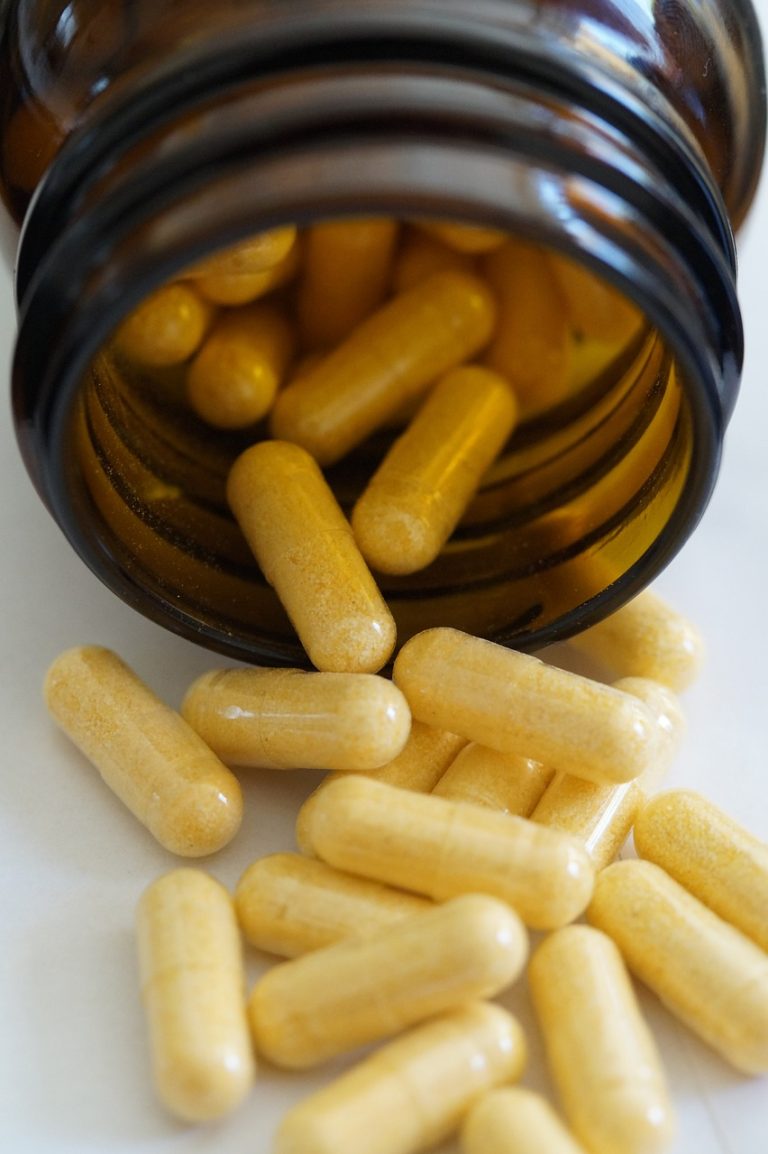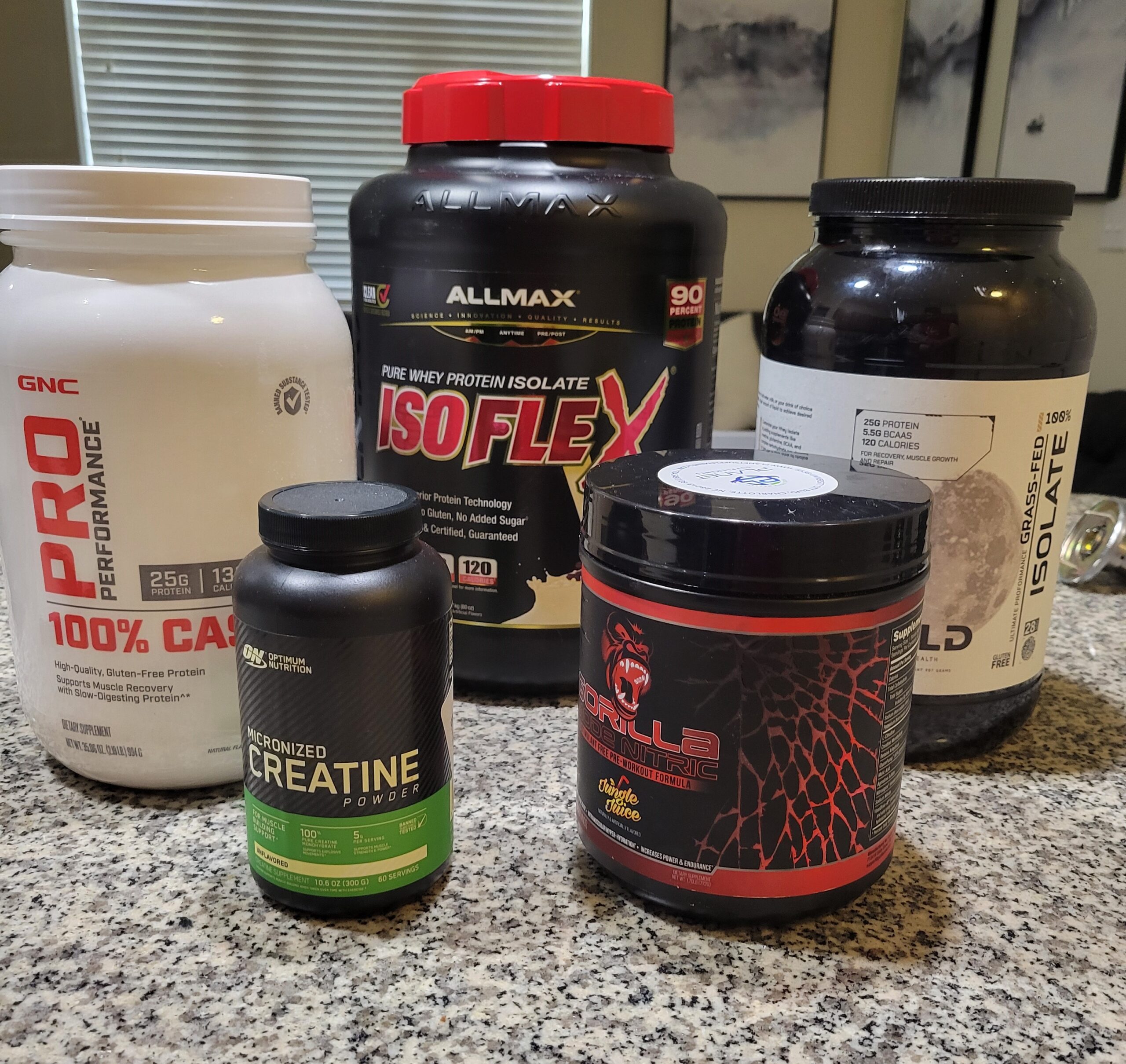
Supplements serve a wide variety of purposes. Here I have broken them down into four main categories:
- Ergogenic aids – Physical performance boost
- Nootropics – Mental performance boost
- Dietary Supplements – Supplements what could be found through diet
- Health Supplements – Health or wellness boost
It’s important to note that some supplements can fall into multiple categories. For example caffeine is both an ergogenic aid and nootropic while creatine is both a ergogenic aid and dietary supplement. This post is not about what you should take, but rather helping you understand what each kind of supplements do and why you might take them.
My personal recommendation is most supplements don’t really do much except unload your wallet to the store owner. Usually if they work they are illegal or dangerous.
The only ones I recommend are:
- Pre-workout (I use non stimulant versions personally)
- Creatine
- Vitamins as recommended by doctor
- Nutrients you struggle to hit by diet
Ergogenic Aids
Ergogenic aids are any supplement or substance that can improve athletic performance, musculature, or recovery. It is important to remember that not all ergogenic aids are allowed in sports and some are even illegal.
Common examples of permitted ergogenic aids include:
- Pre-workout
- Caffeine
- Creatine
- Sodium Bicarbonate (baking soda)
- BCAA’s
Common examples of prohibited ergogenic aids include:
- Anabolic Steroids
- Growth Hormone
- SARMS (selective androgen receptor modulators)
- Diuretics
It is crucial to distinguish between permitted vs prohibited ergogenic aids, especially for athletes. The use of prohibited substances can lead to significant consequences including disqualification, legal complications, and serious health risks. Responsible use of ergogenic aids involves understanding their mechanisms of action, benefits, and potential side effects. If you have any questions as to whether or not what you are about to take is prohibited, its best not to take it. Sport’s governing bodies, such as W.A.D.A (world anti doping agency), post regulations as to what performance-enhancing substances are legal and which are banned. It’s also important to know what ingredients go into your permitted ergogenic aids like pre-workout. Companies have gotten in trouble for putting performance enhancing drugs in different supplements. I recommend only buying from reputable sources and getting brands that are third-party tested.
Nootropics
Nootropics are supplements or substances that can potentially improve cognitive function. This can include executive functioning, memory, creativity, or motivation. Common examples of nootropics include:
- Caffeine
- Ashwagandha
- Alpha GPC
- Huperzine A
- Cerebrolysin
- Selank
- Semax
I personally have very limited experience with nootropics and can’t say I recommend them for most people. If you are considering using nootropics, it is crucial to understand the science behind each substance and to approach their use with a healthy skepticism. Some nootropics have well-documented benefits and are considered safe for use, while others might come with risks or less clear benefits. Always ensure the legality of the nootropics you choose to use, and only buy from reputable sources.
Dietary Supplements
Dietary supplements are any supplement that provides nutrients that you could obtain through diet. Common examples of dietary supplements include:
- Multivitamin
- Creatine
- Protein Powder
- Omega 3’s
- Niacin
- Vitamin-C
- Vitamin-D
- Zinc-magnesium Complexes
My general advice for dietary supplements is straightforward, only take them if you’re deficient in those nutrients. These supplements can be beneficial if your diet doesn’t provide enough of certain nutrients, but they are unlikely to offer additional health benefits if you’re already getting what you need from your food. For instance, protein powder is a convenient way to increase your protein intake if you’re struggling to consume enough from food sources like chicken breast, but it’s not superior to other sources of protein. Similarly, while some people take vitamin D supplements to help with depression, it’s important to understand that vitamin D supplementation is only likely to help if you are deficient in it. A lack of vitamin D can exacerbate symptoms of depression, but adding more to your system when you already have sufficient levels won’t improve your mood. Generally, it’s best to consult with your doctor to determine which supplements, if any, you should be taking. Most dietary supplements won’t harm you if taken as directed, but they might not provide any benefit either.
Health Supplements
Health supplements are any supplements that aims to offer health or wellness benefits. Common example of health supplements include:
- Joint health supplements
- Herbal supplements
- Probiotics
- Sleep aids and melatonin
- Liver support
Of all the categories of supplements, this is the one has the most questionable results. The desire for improved health can lead people to invest heavily in products that may not always deliver on their promises. For instance, liver support supplements have shown little to no effect in substantial, credible studies. Many of these products claim the presence of antioxidants as a basis for their products. While antioxidants do support liver function, they are also abundantly available in many foods, like fruits and vegetables, which don’t boast ‘liver support’ on their labels.
This isn’t to suggest that all health supplements lack efficacy. Some, such as melatonin and certain sleep aids, have proven quite effective for their intended purposes. However, it is wise to approach the health supplement aisle with a healthy dose of skepticism. Always assess the necessity of a supplement, and question whether it’s truly needed or if marketing has convinced you of its need, especially when similar nutrients may be available through natural sources.
Conclusion
Supplements can serve a purpose, but they’re not a magic fix. Understanding what you’re taking, and why, goes a long way. Start with your diet and training, talk to your doctor when needed, and don’t get caught up in hype.
If your diet and training aren’t in line no supplement will make up for it. Many people take steroids and still don’t get results because truth is nothing is a quick fix for hard work and solid nutrition. Now skip the short cuts and get your ass in the gym and kitchen!